Key takeaways
- Control the sources first, then ventilate, then filter.
- Humidity in a comfortable range discourages mold and dust mites.
- Ducts, filters and equipment are part of the picture, not the whole picture.
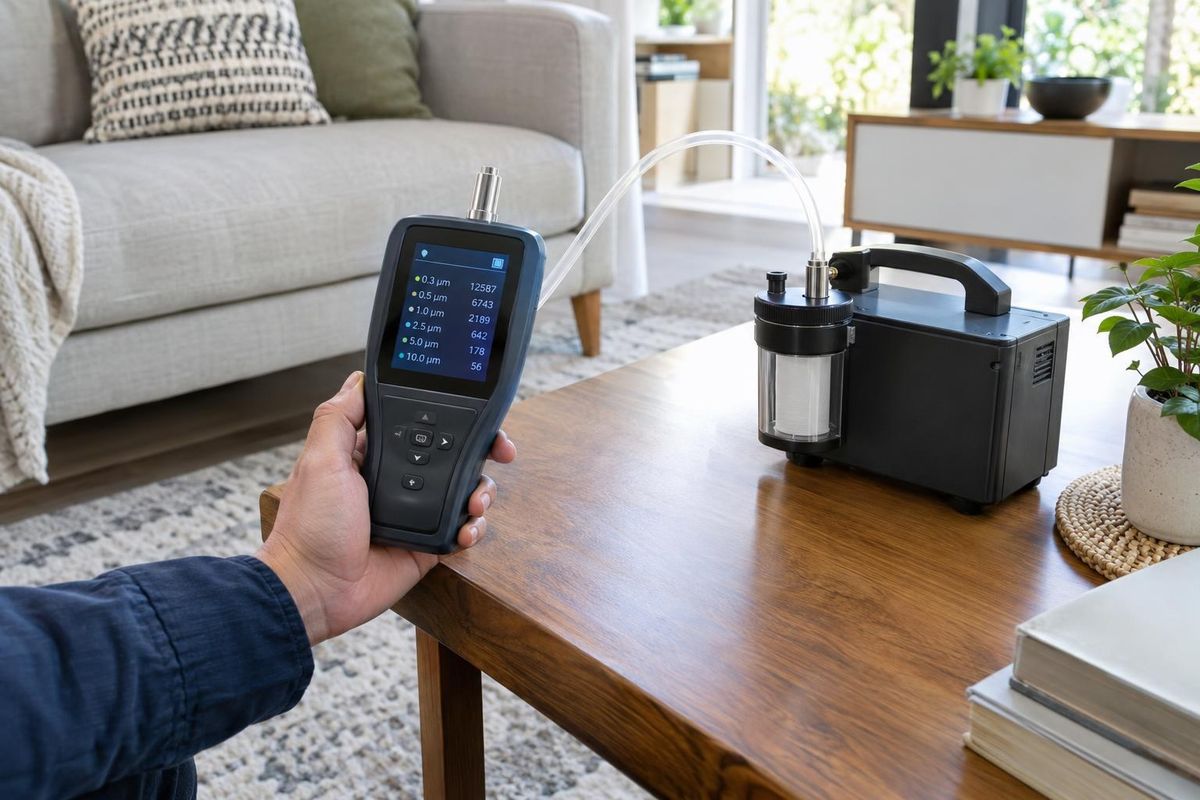
- Testing replaces guessing with measurements.
Start with the sources
Indoor air carries dust, pet dander, pollen, cooking particles, chemicals from cleaners and products, moisture and gases from appliances. The most effective step is to reduce the source: use exhaust fans while cooking and showering, keep combustion appliances working properly and store chemicals sensibly.
Carbon monoxide detectors and working vents on gas appliances are important safety measures.
Ventilate
Fresh outdoor air dilutes what builds up indoors. In a tightly sealed home, a mechanical ventilation system, such as a fresh-air intake or an energy recovery ventilator, can help. Exhaust fans help remove pollutants where they are made.
Opening windows helps on mild days, though outdoor pollen and humidity are factors in Middle Tennessee.
Filter and clean
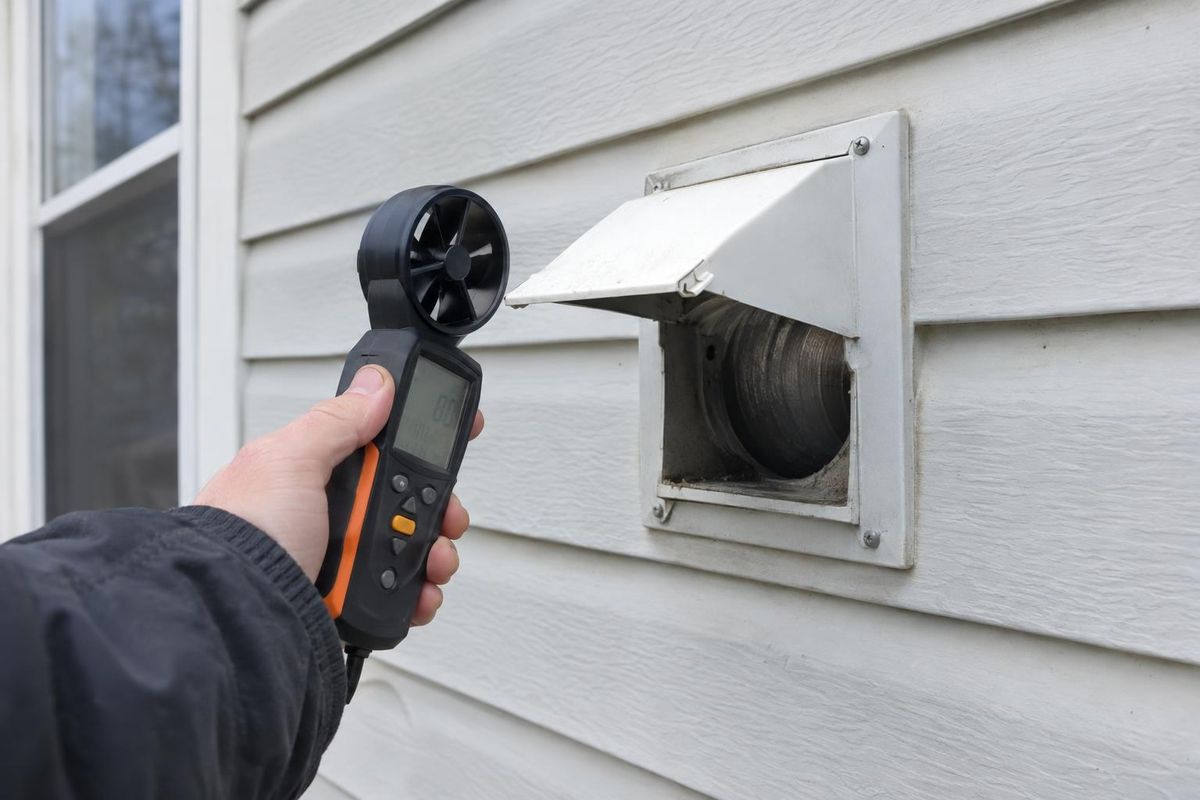
A well-fitted filter, changed regularly, catches particles that pass through the system. Vacuuming with a good vacuum, washing bedding and cleaning ducts and vents when they are dirty also help. Air cleaners can add to the effect, though the U.S. EPA notes that they work well alongside source control and ventilation.
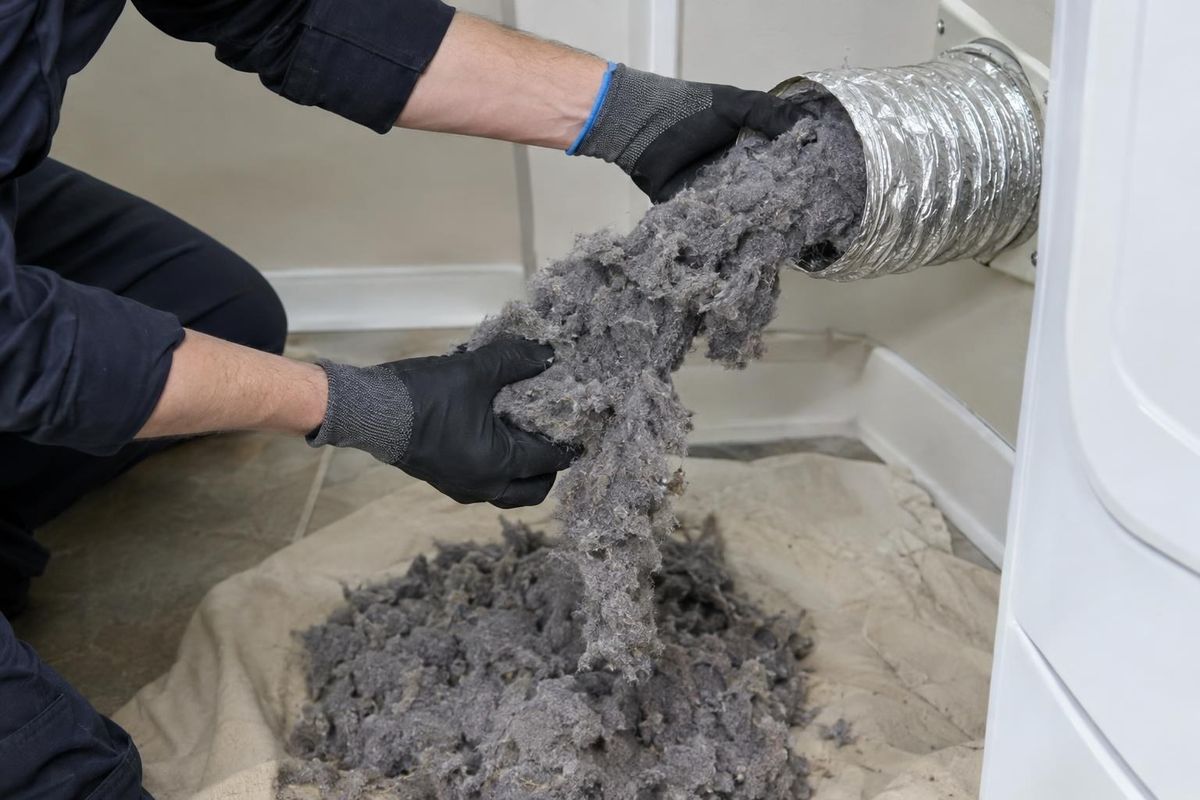
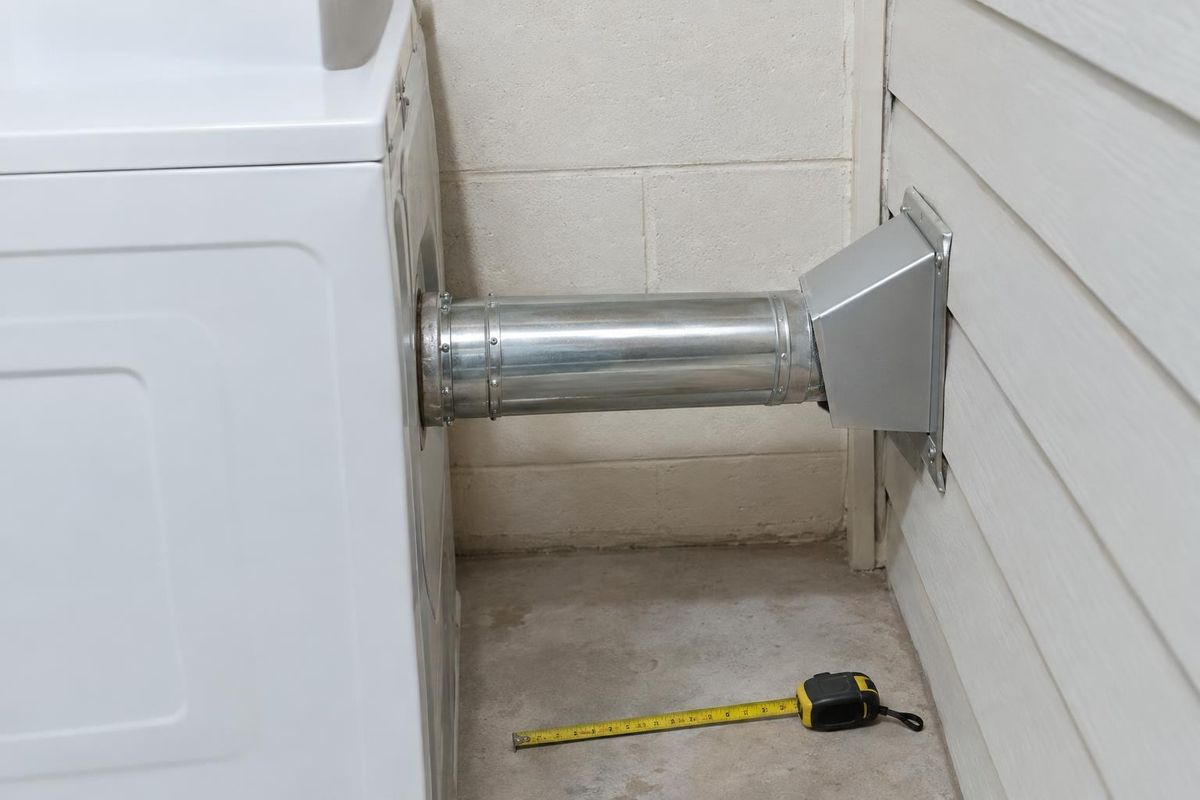
Dirty ducts are one possible source, and cleaning them is worthwhile when they are visibly dirty or contaminated.
Control humidity
Humidity that is too high feeds mold and dust mites, and humidity that is too low dries skin and wood. Many guides suggest keeping indoor humidity roughly between thirty and fifty percent. A dehumidifier in summer and a humidifier in winter can help.
A simple humidity meter shows where you are, and testing can reveal the rest.
Official sites to explore
Brand names and logos belong to their owners. These links open the official websites in a new tab, and we are not affiliated with them.
- U.S. EPA: Indoor Air QualityFederal information on the sources of indoor air pollution and how to reduce them.
- U.S. EPA: Improving Indoor Air QualityPractical steps for controlling sources, ventilating and cleaning the air.
- U.S. EPA: Guide to Air Cleaners in the HomeHow air cleaners and filters work and what they can and cannot do.
- U.S. EPA: What Is Carbon Monoxide?Information on carbon monoxide sources, symptoms and prevention at home.
Quick answers
What is the biggest thing I can do?
Control sources and ventilate. Filters and cleaning help after that.
Do air purifiers work?
They can reduce some particles in a room. They are most useful with source control and ventilation.
Should I test my air?
Testing is useful when you have a specific concern, such as odors, moisture or new construction.